Situational awareness
Parking lot awareness: habits that take seconds
Parking lots and garages combine distraction, isolation and routine. Simple habits for parking, walking and getting into your car with more awareness.
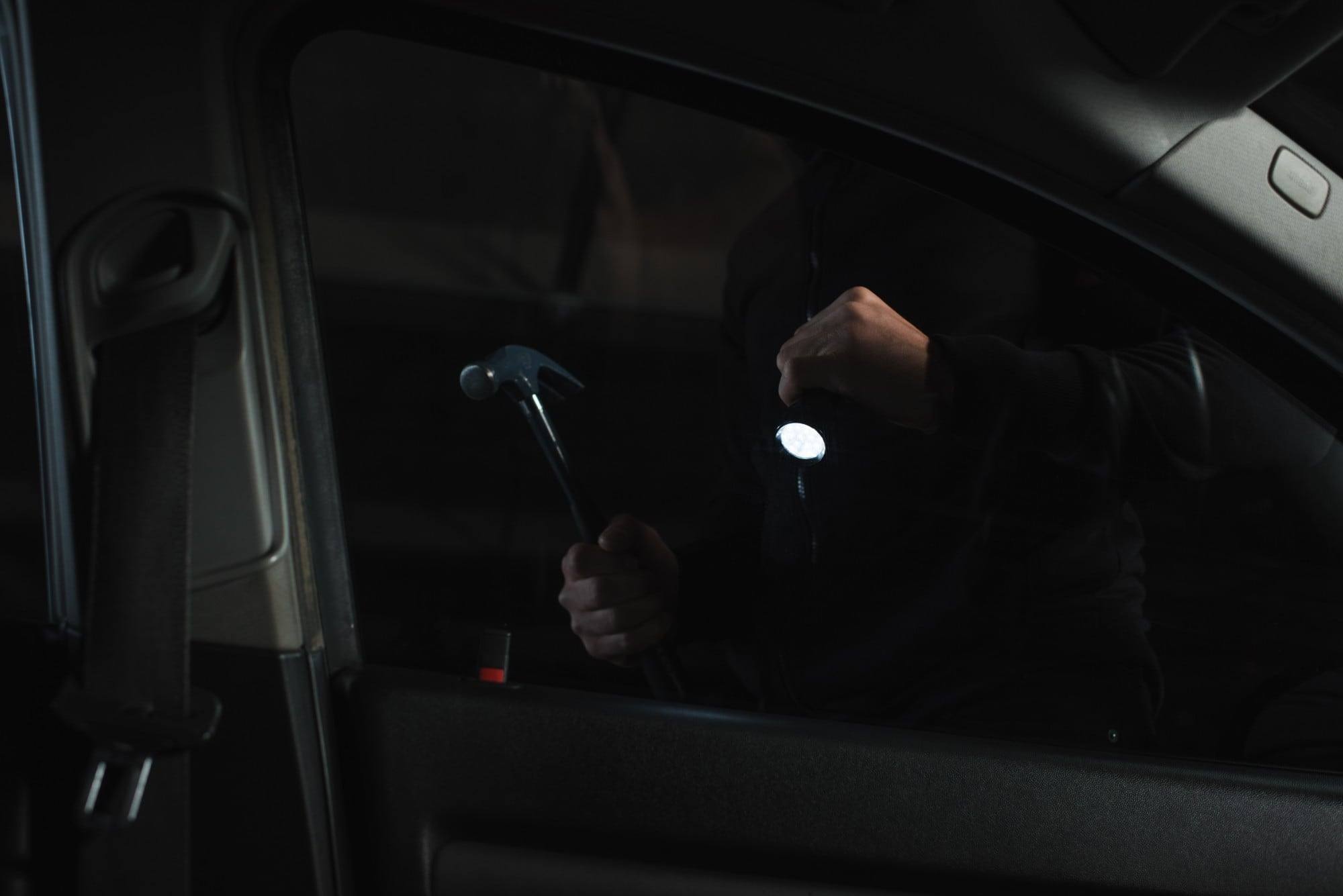
Parking lots are some of the most ordinary places people go, which is part of why they deserve attention. They combine several things that make awareness harder: you are usually distracted, often carrying something, frequently alone for a short stretch and moving between two environments.
The good news is that a handful of small habits make a real difference, and none of them take more than a few seconds.
Before you park
- Choose a space you would be comfortable walking back to later, not only the closest one right now. Light, visibility and foot traffic matter more after dark.
- Notice where the building entrance is relative to your car, and whether the walk passes anything that blocks your view.
- If something about the lot feels off when you pull in, it is perfectly reasonable to park somewhere else. That is avoidance, the second layer, at work.
Getting out of the car
The moment of getting out is a transition, and transitions are where awareness most often lapses. Before you open the door, look around. Finish the text or the phone call first. Once you step out, keep your head up for the walk.
Walking back
- Have your keys ready before you leave the building, not when you reach the car.
- Keep the phone in your pocket for the walk. It takes most of your attention, even when it feels like it does not.
- Look at your car and the spaces around it as you approach, rather than only at the door handle.
- If you are carrying bags, try to keep one hand free.
Getting in
Get in, lock the doors and then do everything else: put down the bags, check messages, set the navigation. Sitting in an unlocked car with your head down is one of the most distracted positions people put themselves in.
If something feels wrong
If someone is near your car and you are not comfortable, you do not have to keep walking toward it. Go back into the building, wait for others or ask for an escort if one is available. Changing your plan costs you a few minutes.
If someone approaches you, distance and clear, short language are your best tools. Stopping, putting your hands up in front of you and saying something like "Stop right there, I can't help you" both sets a boundary and keeps you in a sound position.
Turning habits into reflexes
Habits like these only help if they happen automatically, especially when you are tired or in a hurry. Pick one, practice it every time for a few weeks, then add another. SDS Level 1 covers awareness and avoidance in more depth, with realistic exercises that make these choices feel natural rather than forced.